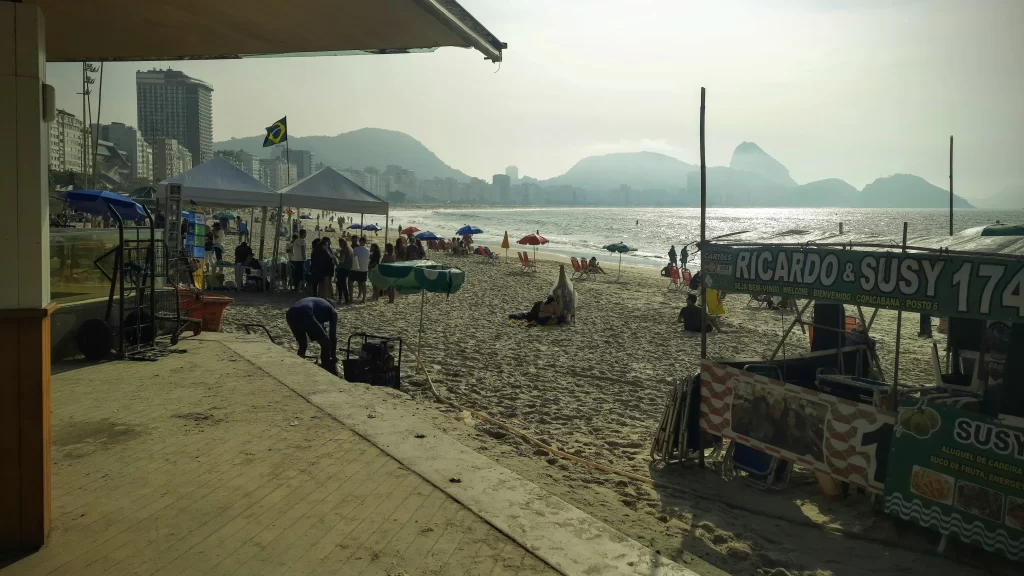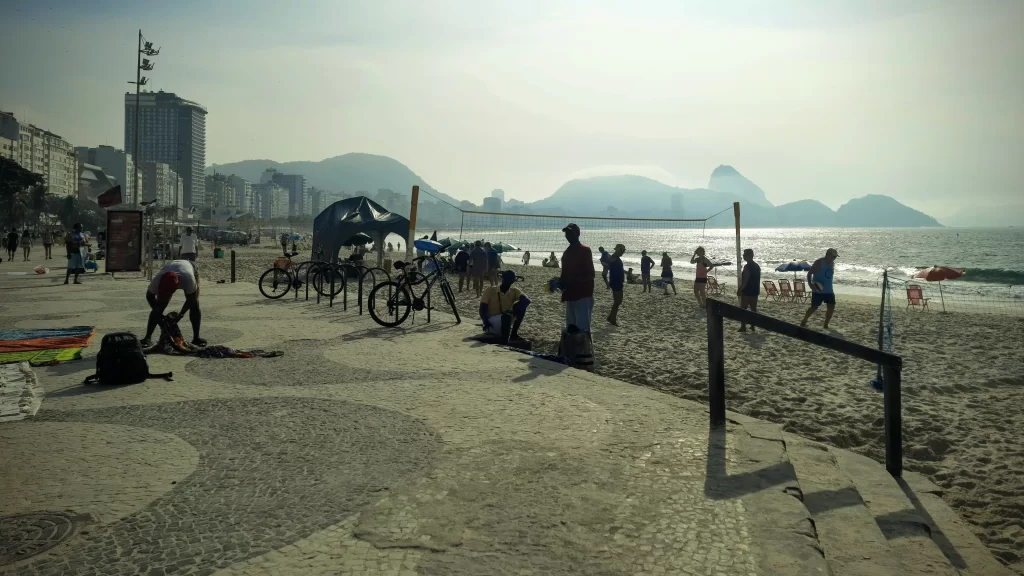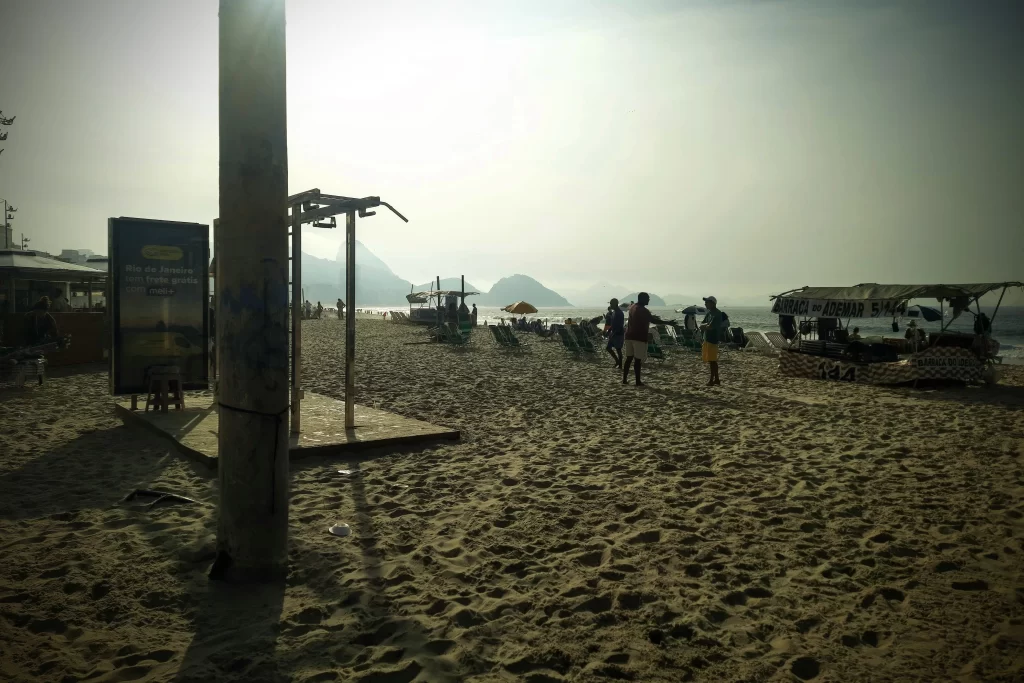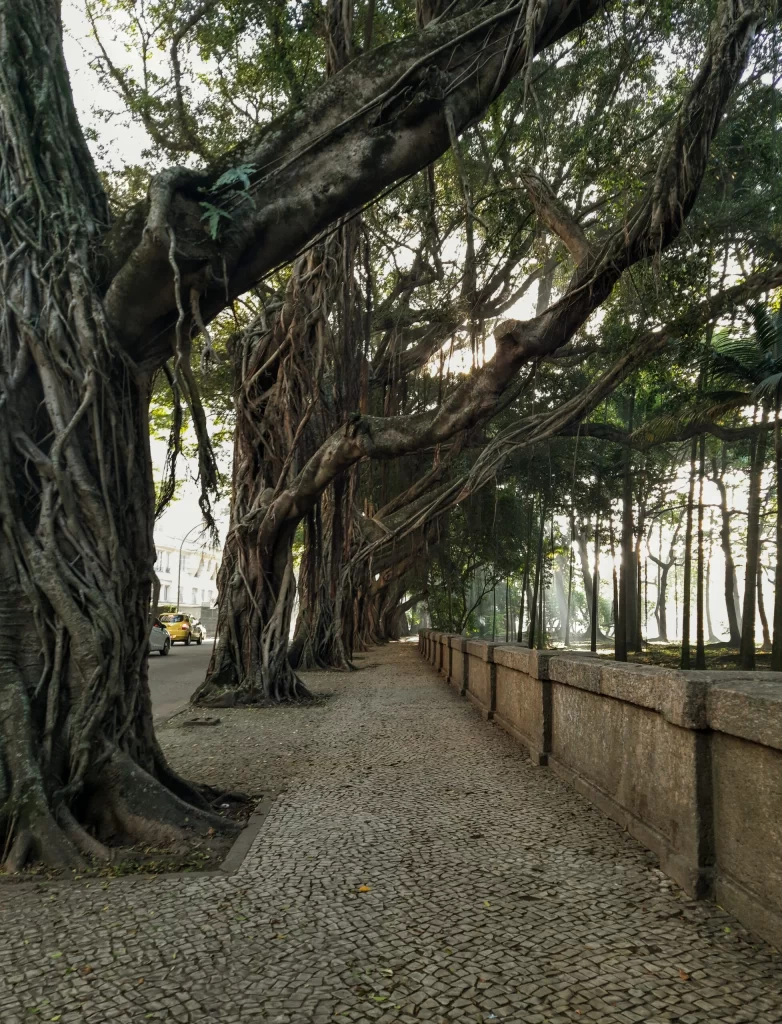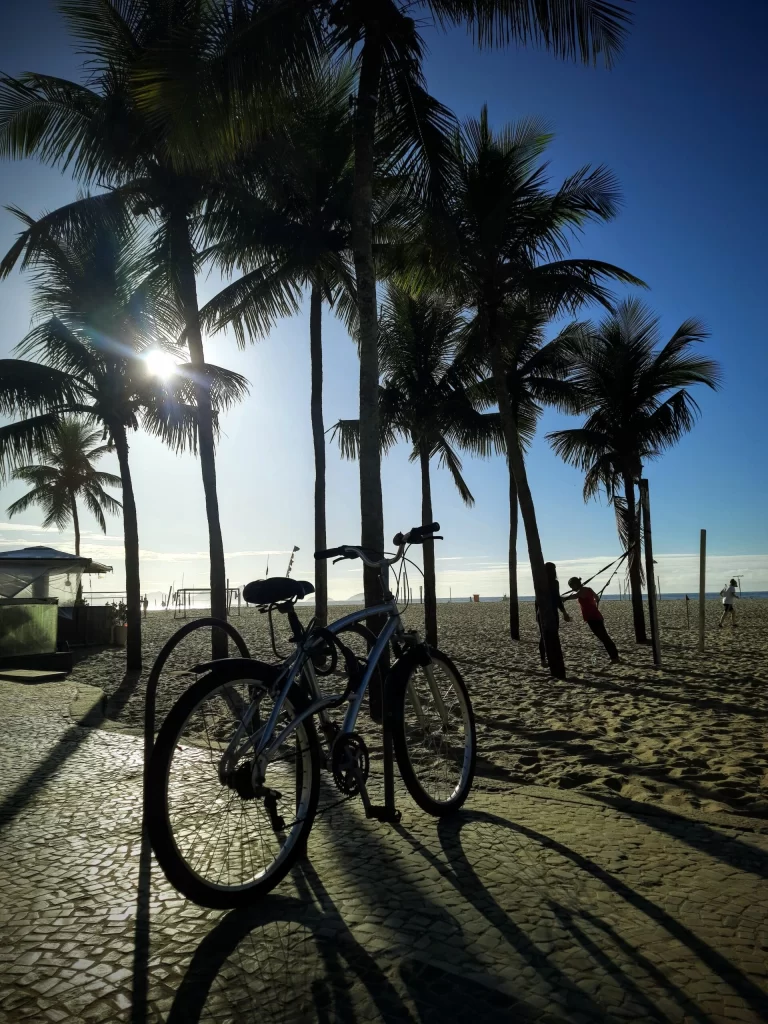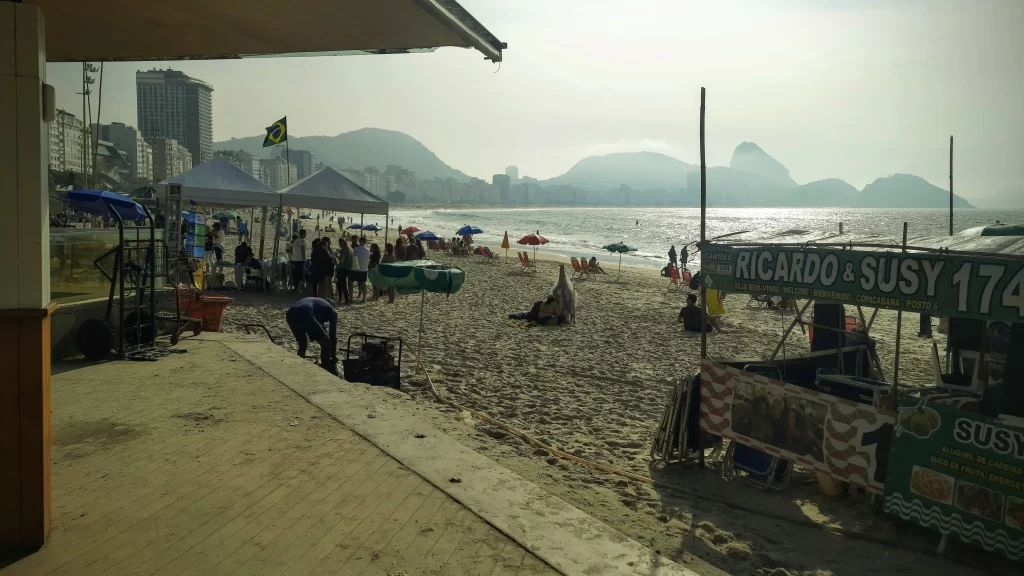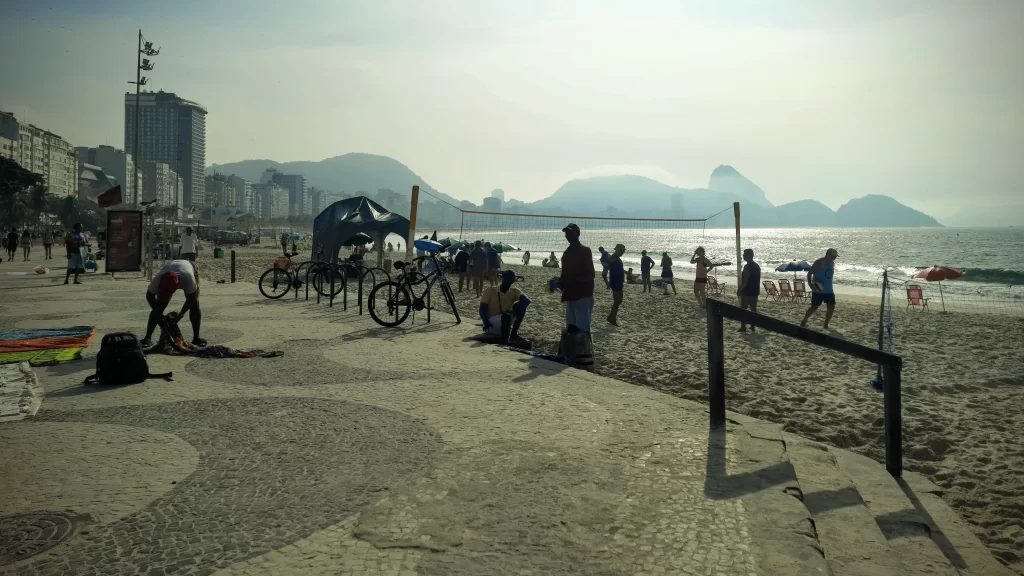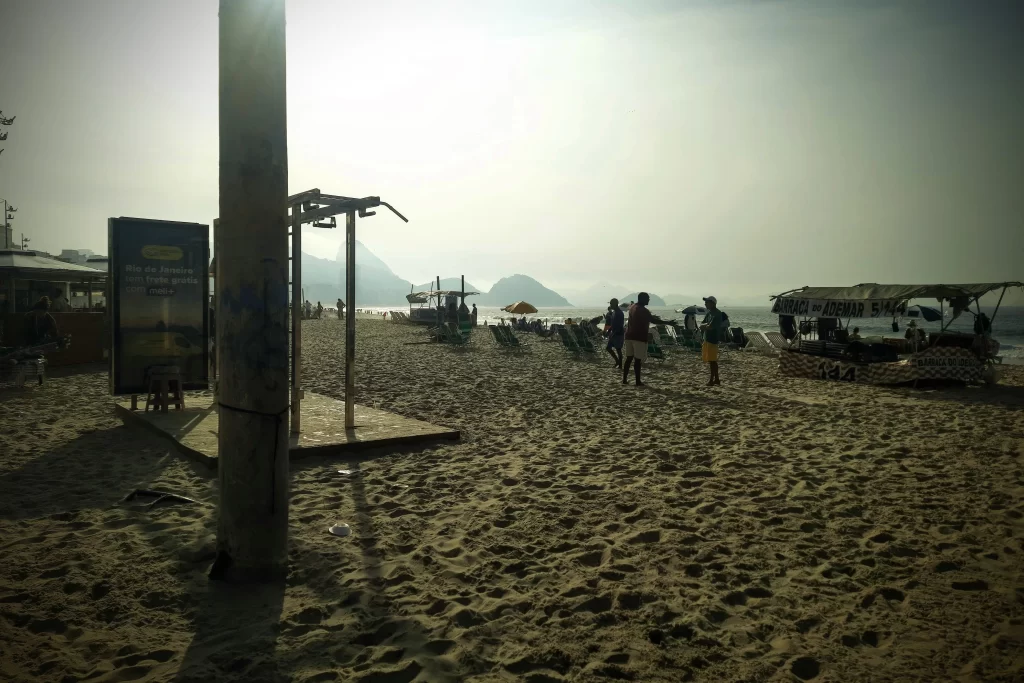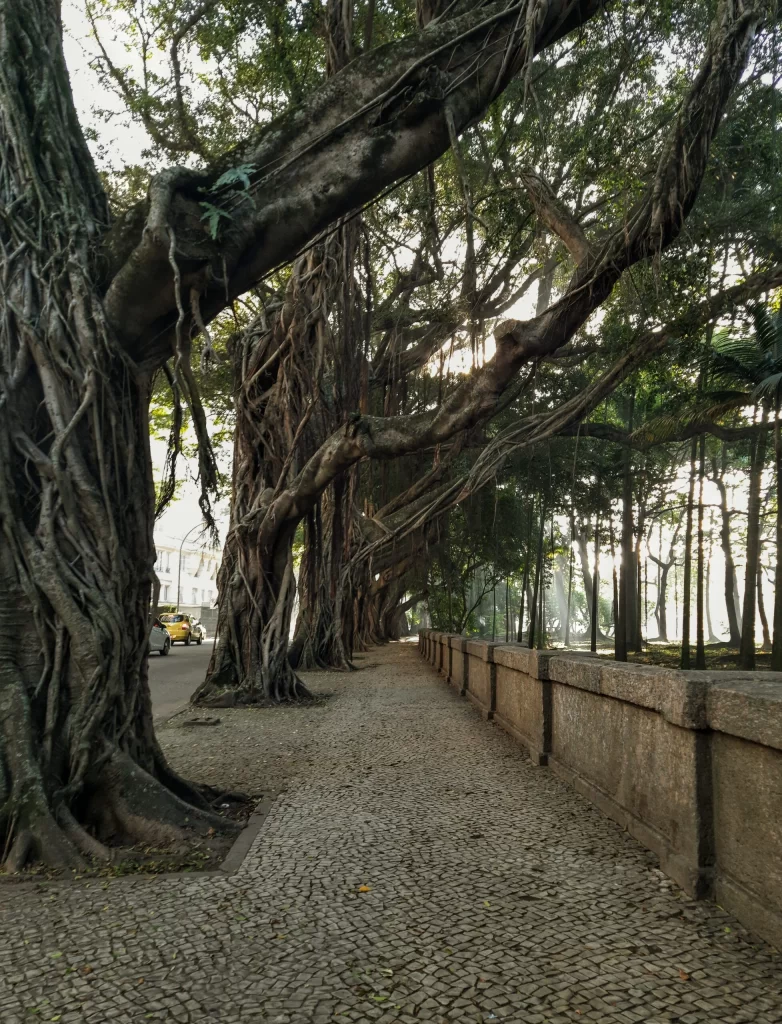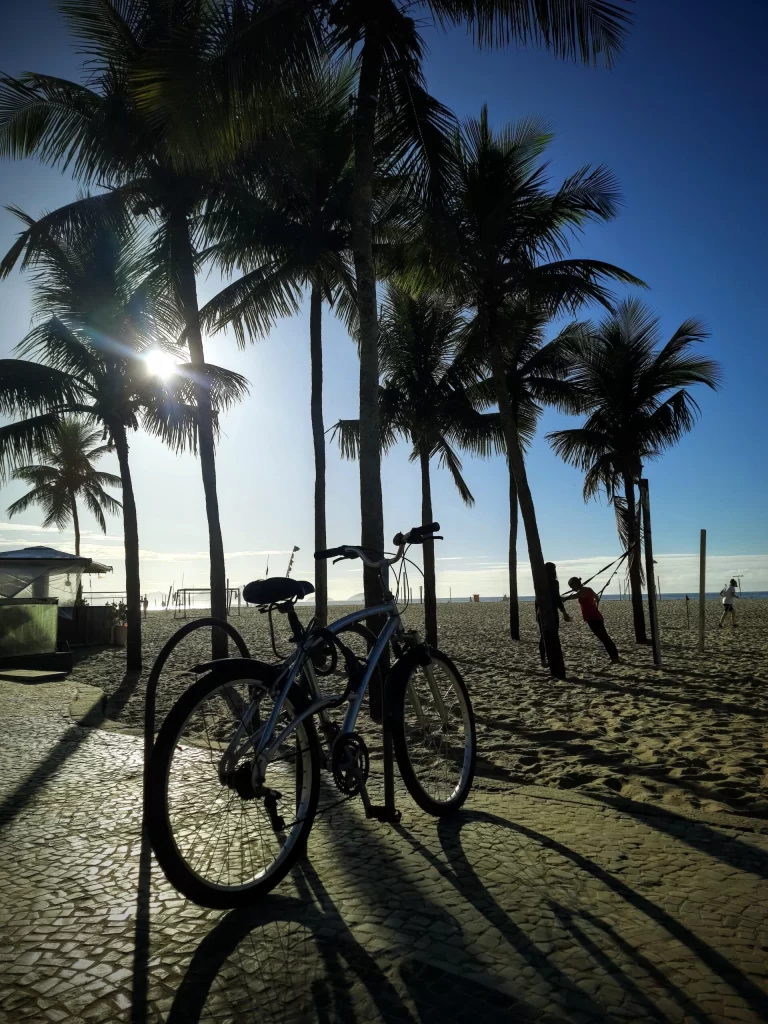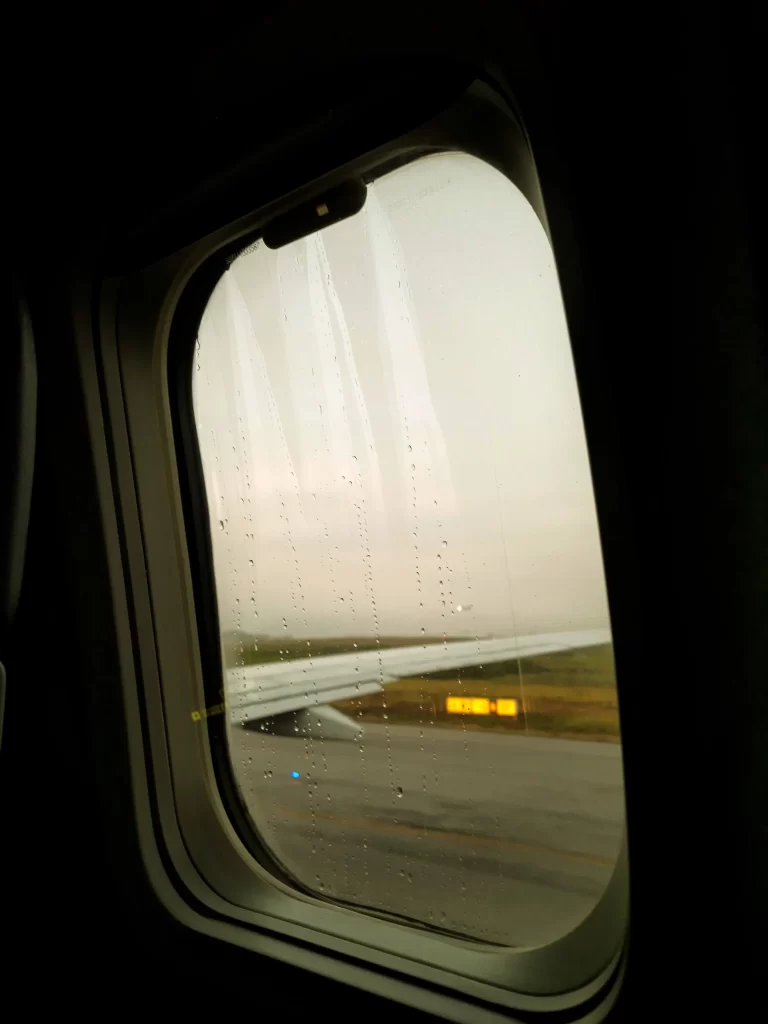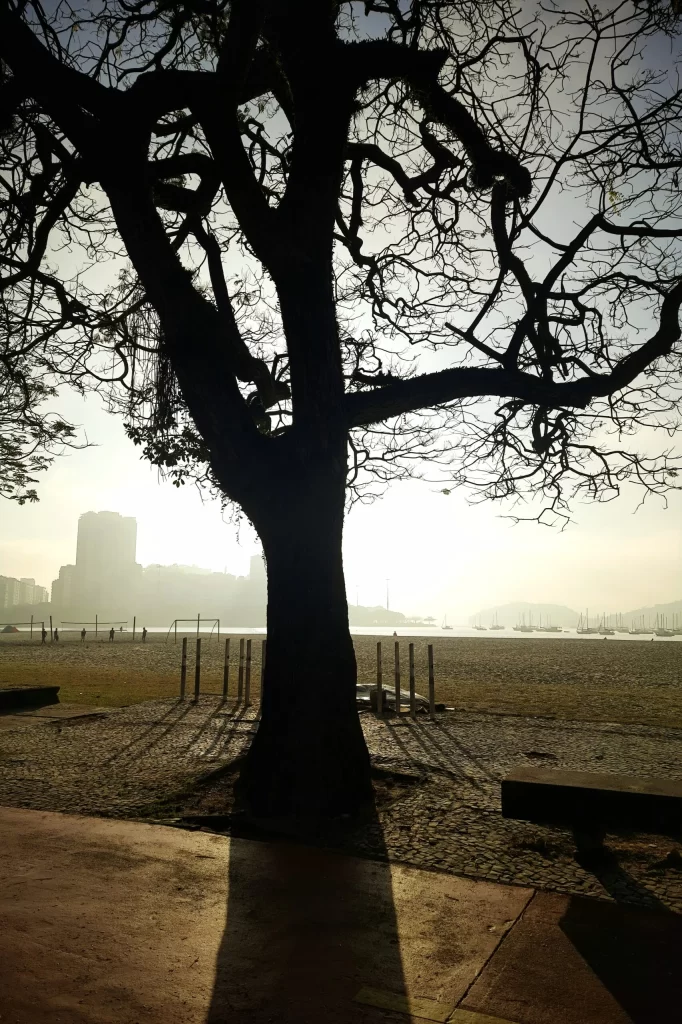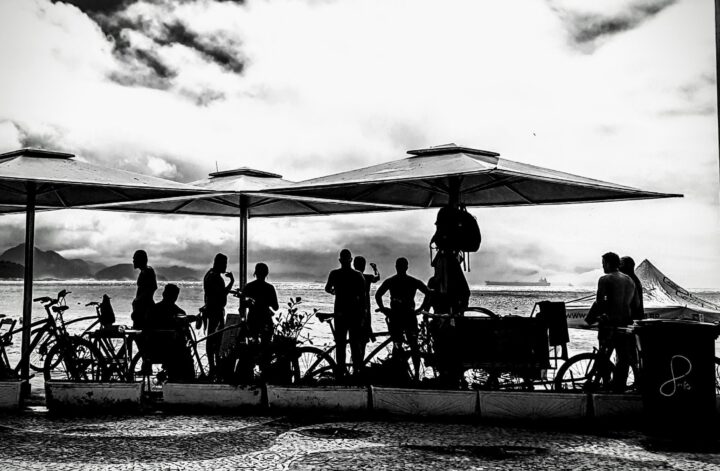
Flamengo, Rio de Janeiro, Brazil: 26 degrees, hot, Sunny and beautiful blue skies; a beautiful day.
I am still in my first week back in Rio, Brazil, and I’m with mixed feelings.
I am happy and content to be back and near Yasmin, Jessica, and Nalva, too, and, in many ways, to feel at home with what has been, more or less, my home for so many years, but it feels different to me now.
I have lived in São Paulo twice. The first time I arrived in Brazil, I went to São Paulo and stayed at a friend’s family house in Jardins, one of the city’s best neighbourhoods. It was a very pleasant experience.
The second time was when I was responsible for a boat project between England and a factory in São Paulo, and I was contracted as a design consultant to oversee the project, quality control, etc., as well as other projects in production at the factory.
During my second stay in São Paulo, I lived there for almost two years. Eventually, I resigned from the project to move back to Rio de Janeiro to be close to Jessica, as I didn’t want to miss out on her childhood.I had a very positive experience living there, making many friends and gaining a better understanding of what it’s like to live in a city with nearly 14 million inhabitants and how it functions.
What I am trying to convey is that shortly after returning to Rio and settling here permanently, I visited a friend in São Paulo. This time, as a visitor returning to São Paulo, it felt different; although I still liked or even loved the city, it wasn’t quite what I had expected.
I was now an alien; I felt like an outsider to what I was used to, living there, and to what I had experienced in the past. I am not entirely sure, but I think this is somewhat how I feel about returning to Rio this time.
Apart from this, I do not have a fixed address;I am staying with Yasmin and Nalva, which is not ideal, and I’m sleeping on the sofa. I feel out of place in the culture I have been so used to for so long.
I have also noticed that the traffic noise is now too loud and intrusive. I had never really noticed it before, but now it feels overwhelming. Even Flamengo, which is much quieter than Copacabana, seems too loud, something that had never caught my attention as much as it does now.
The occasional noisy car or motorbike is always bothersome and a source of complaint, but now the constant movement of heavy traffic, cars, lorries, motorbikes, and even pedestrians, combined with the noise from all of them, seems to intrude more than before.
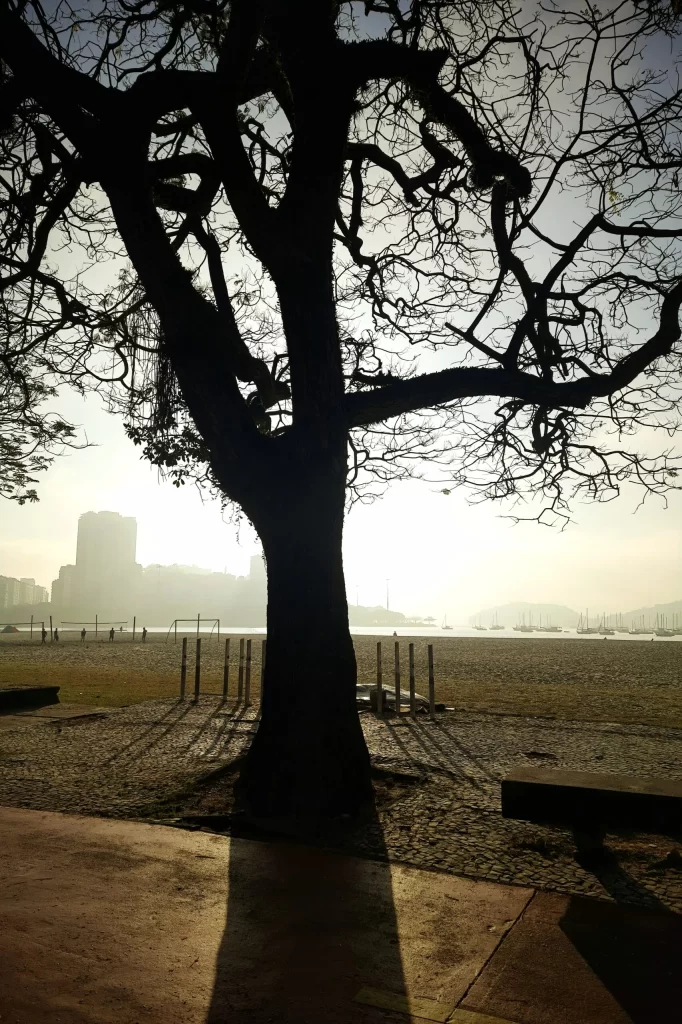
An example is heading to the park early to exercise. It is before sunrise, between 5:00 and 6:00 a.m., amidst abundant nature with a view of the bay and Sugarloaf. Nonetheless, a constant hum of traffic persists, rising to a lower roar as it increases during rush hour along Aterro, the main dual carriageway linking the South zone of Rio with the city centre.
The amount of litter in the streets is appalling, as is the rubbish left outside buildings, waiting to be collected by the local refuse service. However, catadores, poor, homeless street people, rip open rubbish bags, discard what is not valuable to them, and take items to be sold at recycling centres in the city. What they leave behind afterwards is truly disgusting and abominable.
I do not know if it is because they open the rubbish bags before the refuse collectors arrive, or because, with all the garbage now sprawled across the pavement, they just leave it, or if nowadays anyone leaves rubbish anywhere in the street.
Flamengo has never had this problem before, but now it has turned a once clean, calm neighbourhood into a place of dirt and mess, with rubbish exposed to the air. With the hot sun, it gets worse, accompanied by a pungent smell that, for a middle-class neighbourhood, shows how Rio is deteriorating.
And the people, who appeared more aggressive and impatient than seven months earlier, live in an atmosphere of instability and uncertainty,with no one knowing when it will end. I have always believed that, because of the Brazilian government’s abandonment of its people, there is a constant air of desperation in Brazil.
People never know what the government will do next, such as raising taxes or taking some other action against them. They realise their business, job, or livelihood could suddenly worsen at any time.
Desperation is a feeling Brazilians go to bed with and wake up with every day, and now on my return, this reality seems more evident than ever.
Maybe if I stay here long enough, I’ll become numb to it, like the 220 million others, as I was before my trip to England, after so many years in Rio, but it is here in the air; you could almost cut it with a knife. So now I’m in an adaptive period, which I do not really want to be in or live through; only time will tell what will come of it and what the outcome will be.
In bed by 9:00 p.m.
Thank you.
Thanks for reading this blog post. Please explore my other posts and share your thoughts in the comments section.
Richard