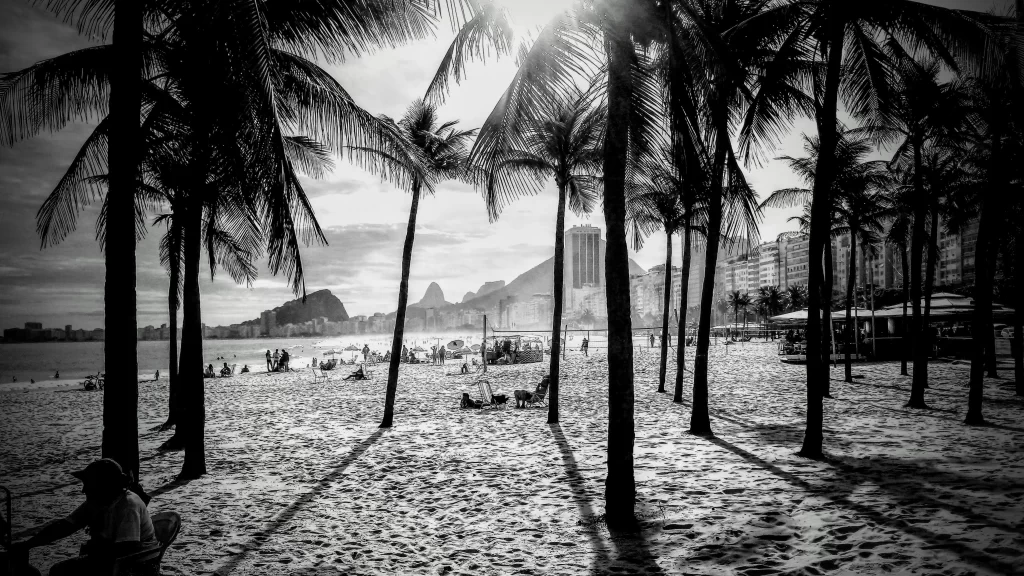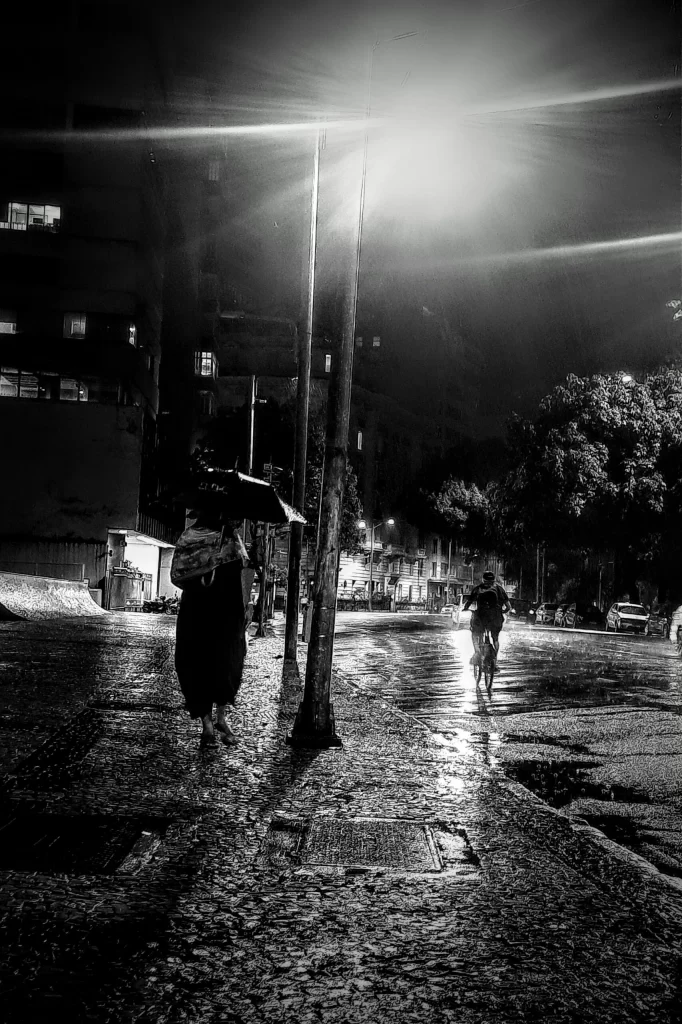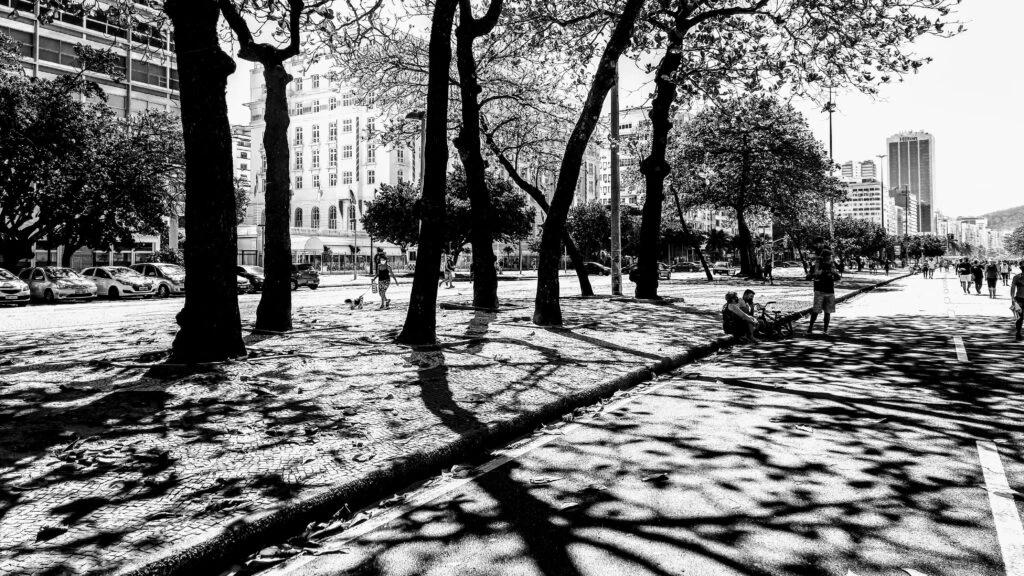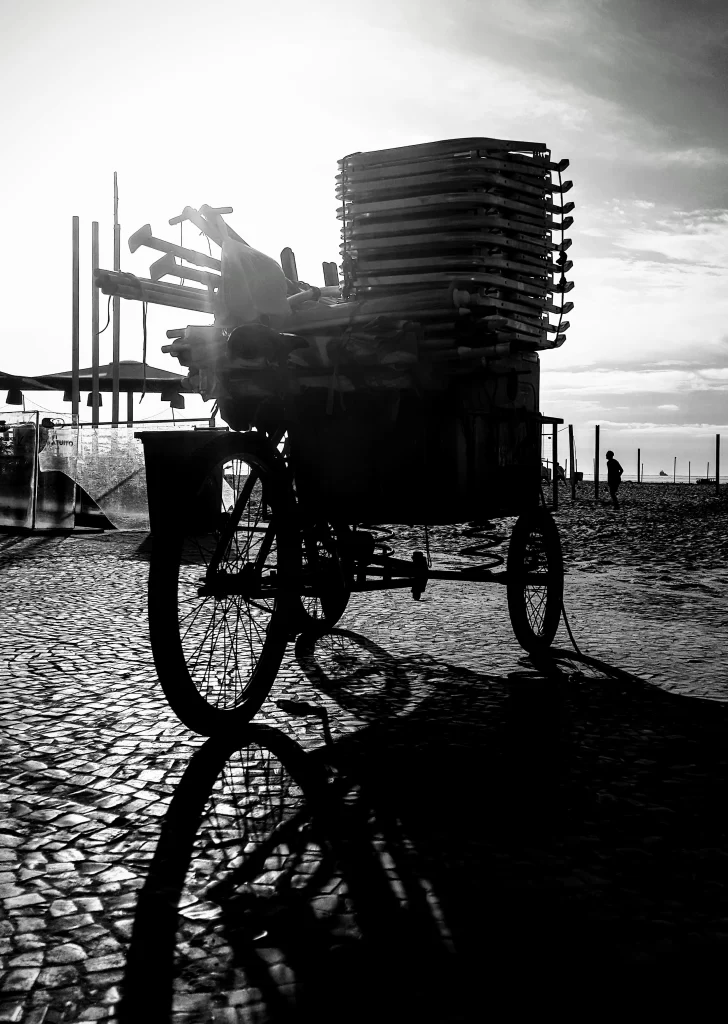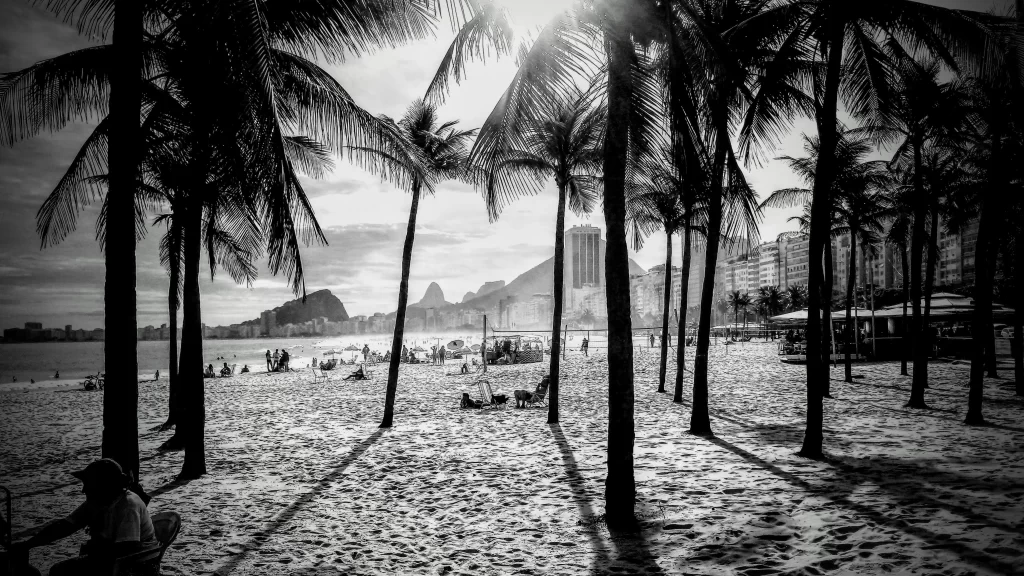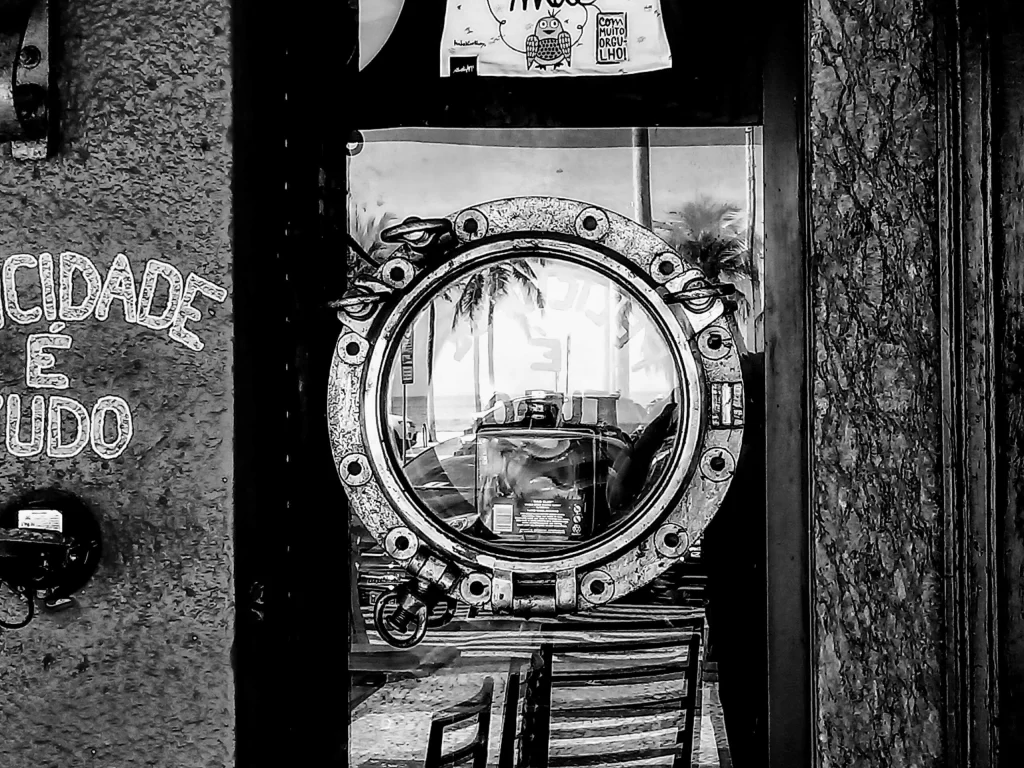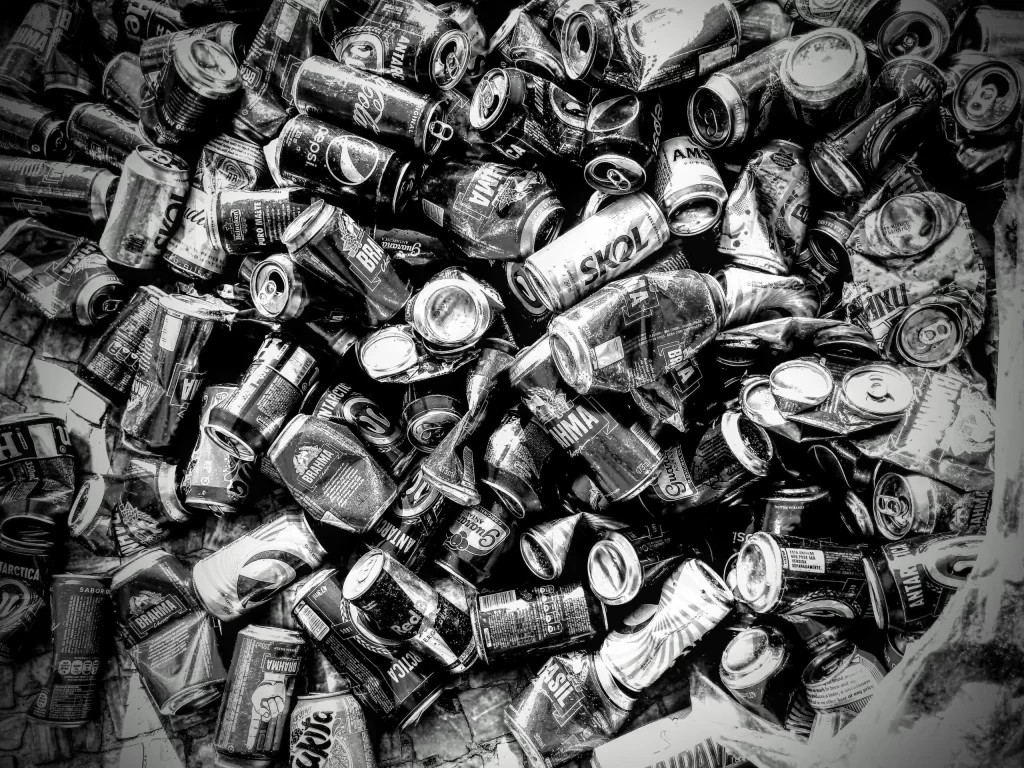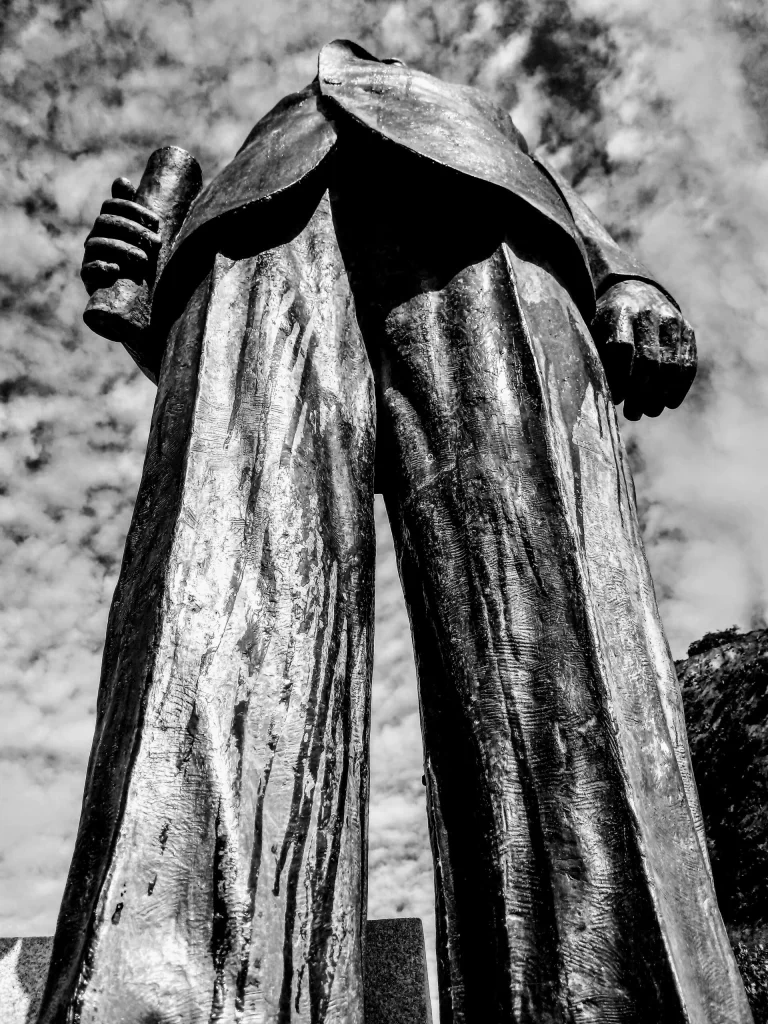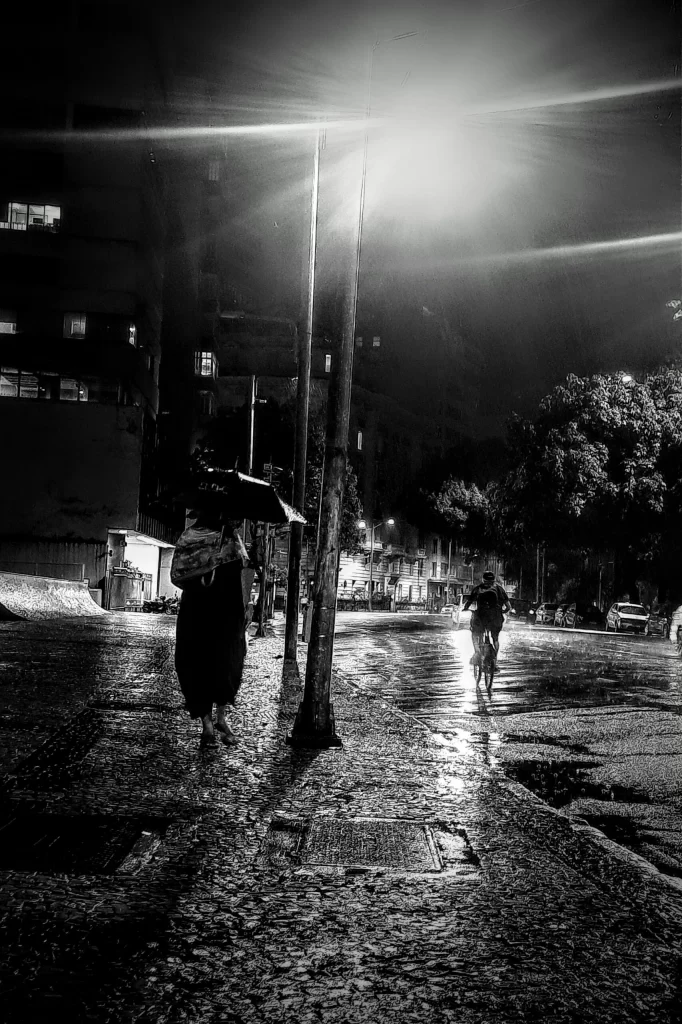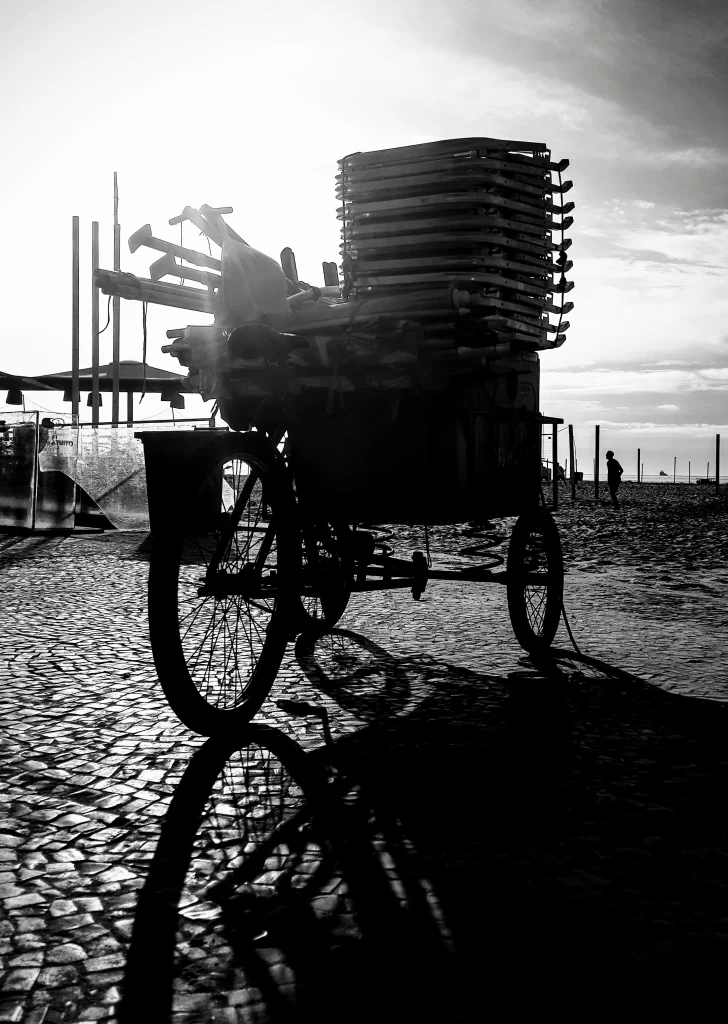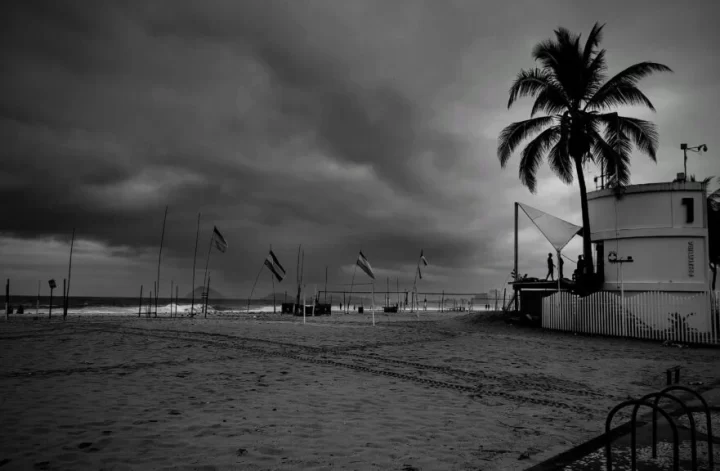
Copacabana, Rio de Janeiro: 30 °C, hot, sunny, and slightly cloudy.
It was a hot, lazy day, and I had trouble sleeping the night before. My mind was preoccupied with thoughts about the next couple of months. Despite feeling tired, I was determined to wake up early and go outside to exercise.
I arrived at the end of Leme a little later than usual. The sun was beginning to appear, but it was still dark. There were no dog owners. I set up the TRX and began.
Almost at the end of my workout, when I was skipping, it is usually the last series I do. I saw a dog owner I recognised. As he approached, we complimented each other, and I took the opportunity to ask about Paulo.
I was a little concerned. Paulo had not been to the square for at least a week. Paulo was the kingpin of the group of dog owners. He would be the first to arrive, and everybody would resonate around him with their dogs. You often find this in social groups where one is the natural leader whom everyone else looks to.
The common friend told me that Paulo had Covid. He had gone to the UPA, an emergency health post in Copacabana, and was diagnosed with COVID and was at home, isolated from the rest of the world for more than a week.
Nowadays, I compare many things from before COVID to what is now. Even though Brazil was in a recession before COVID, people were still going to work regularly and managing their lives as usual.
When Covid appeared, I had my small English course in Copacabana with approximately 40 to 50 pupils who would have either private or group classes at the school. The school was the hub of the business, with everything and everyone converging on that one point. Financially, the school was not in a good situation, but it was surviving.
I remember the day when an employee of the building where the school was came and told me to close the school and go home. It was a Tuesday in the middle of March. At that time, the government, the press, and everybody expected the situation to last only two weeks. Those two weeks went on for two years and more.
When the population was informed that there was no date to return to normal, I quickly realised I would have to transfer all my pupils to online classes as soon as possible.
I created a school timetable in Microsoft Word and sent it to all my pupils to reserve a time slot. If I remember correctly, this was at the end of March, the beginning of April.
Of my 40 pupils, I lost between 20 and 30% of them because they didn’t want online classes; they only wanted in-person classes. What could I have said or done? It was their choice. The online classes at the beginning were half an hourlong, as I needed to cram in all my pupils in half-hour sessions twice a week.
After four or five months, I thought that 30 minutes for a class was not enough, too short, so I increased it to 45 minutes. The classes had to be rearranged with some pupils, but now it was better. Thus, a package of two classes per week, each lasting 45 to 50 minutes, was created. It was good for both the pupil and the teacher.
At the same time that I was reorganising my professional work, I immediately contacted the real estate agency responsible for the school’s premises to renegotiate my rent.
As I was not allowed to receive anybody at the school, it was permanently closed due to the lockdown, and nobody knew when. I got the rent reduced by a little more than half. It would cover the condominium (building administrative charge) and IPTU (rates), and a small amount would also be left for the property owner; it was fair and unavoidable.
I gave my word to pay the school rent until Carnival next year, exactly a year from when COVID-19 appeared. I thought at the time, as well as everybody else, that everything would be back to normal in a year from now.
But it wasn’t; the second wave of Covid had already hit, and the body count in Brazil was stratospheric, with no signs of going down. So, I decided to give back the premises to the real estate agency. They did not want me to return to the shop, but I had decided, and it was necessary.
Until today, I have been giving online classes of 45 to 50 minutes twice a week at my home office. For me, COVID has completely changed or even ripped apart the infrastructure and customs of modern life.
Workers in the past had the option of working remotely only one day a week, but now they work 100% remotely. It is rare to need to attend in-person meetings at the office.
The same goes for lawyers, judges, engineers, etc. Companies and people don’t need the traditional office environment as before, and consequently, the city centres of major cities suffer. Due to the lack of movement, people who used to go to their offices now work remotely.
Rio and São Paulo are classic examples of abandonment in their city centres. Very few people are in the streets, a fraction of what they were before; consequently, bars, restaurants, shops, and trade in general have closed or suffered significantly.
In both cities, local governments are trying to revitalise the areas, but it will take time and does not depend solely on them; other factors will also have to be favourable. Let us see what happens. The last I heard, Paulo was recovering well.
The rest of the day was supermarket housework and films.
In bed by 9:00 pm.
Thank you.
Thanks for reading my blog. Check out my other posts and share your thoughts in the comments.
Richard